
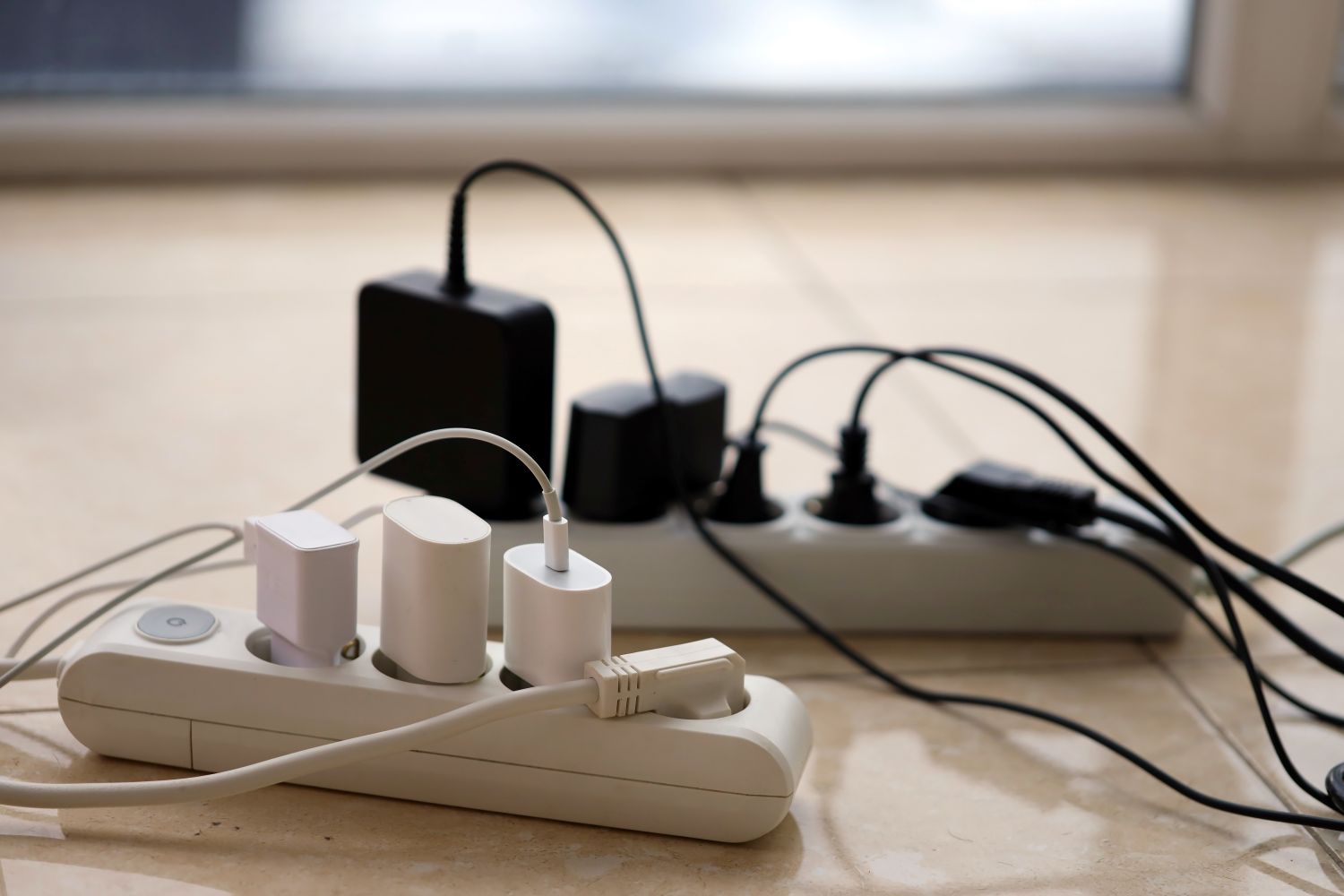
Charging devices may seem straightforward, yet improper practices can lead to overheating, battery damage, and safety hazards. Understanding the nuances of charging-such as the types of chargers, voltage, and common risks-is crucial for prolonging device lifespan and ensuring safety. This guide delves into essential safe charging practices, explores smart technologies, and offers tips for optimal charging environments. Equip yourself with the knowledge to charge your devices safely and effectively, safeguarding both your gadgets and peace of mind.
Importance of Safe Charging Practices
Implementing safe charging practices can significantly reduce battery degradation by up to 30%, thereby ensuring that devices last longer and function optimally.
To enhance charging safety, it is advisable to monitor the temperature of devices during the charging process; ideally, the temperature should remain below 80 degreesF (27 degreesC).
Utilizing certified chargers and cables is recommended, as these are specifically designed to manage current more effectively, thereby reducing the risk of overheating.
It is also prudent to avoid charging devices overnight, as this practice can lead to prolonged exposure to elevated temperatures.
Additionally, regularly calibrating the battery by allowing it to drain to approximately 20% before recharging it back to 80% can significantly extend its lifespan, ultimately making devices more reliable over time.
Understanding Charging Basics
A comprehensive understanding of charging fundamentals, including the different types of chargers, cables, and their technical specifications, can greatly improve device performance and safety.
Types of Chargers and Cables
Chargers are available in various types, including USB, wall adapters, and wireless options, each possessing distinct compatibility and charging speeds that influence overall performance.
Among these types, USB-C chargers are recognized for their versatility, providing fast charging capabilities and universal compatibility with a wide range of devices, including Android smartphones and laptops. In contrast, Lightning connectors, designed primarily for Apple devices, deliver optimal performance but are restricted to Apple’s ecosystem. Wireless chargers offer a high level of convenience and are compatible with many recent smartphones; however, they generally charge at a slower rate compared to their wired counterparts.
For instance, a USB-C charger can deliver power up to 100W, whereas a wireless charger typically provides around 10-15W at maximum, which can significantly affect the speed at which devices are charged.
Voltage and Amperage Explained
Understanding voltage and amperage is crucial, as the use of inappropriate levels can lead to inefficient charging or potential damage to devices.
For example, USB standards typically provide 5V across devices; however, the amperage can vary considerably. A standard USB port generally outputs approximately 1A, which is adequate for smartphones, while tablets often require 2.4A to achieve optimal charging speeds. Utilizing a 1A charger with a tablet may result in significantly slower charging times.
It is essential to review device specifications; for instance, an iPad requires 2.1A, making a 2.4A charger the most suitable option.
Ensuring that the amperage is appropriately matched facilitates efficient power delivery, considerably reducing charging time and enhancing battery longevity.
Common Charging Risks
Charging devices involves certain inherent risks, including overheating and potential battery damage, both of which can reduce the lifespan of the device and present safety hazards.
Overheating Issues
Overheating may occur when devices are charged in enclosed spaces or with incompatible chargers, significantly increasing the risk of fire hazards.
To prevent overheating, it is essential to ensure that devices have adequate ventilation during the charging process. Avoid placing smartphones or laptops on soft surfaces such as beds or couches, as these can trap heat.
Additionally, utilizing high-quality chargers that are recommended by the manufacturer is crucial; substandard alternatives often fail to meet safety standards. Regular inspections for dust accumulation in charging ports are also important, as this can obstruct airflow.
If a device frequently exhibits elevated temperatures, it may be prudent to limit charging durations-unplugging the device once it is fully charged can help avoid prolonged exposure to heat. By implementing these practices, individuals can significantly mitigate the risks associated with overheating.
Battery Damage and Lifespan
Inappropriate charging practices can result in battery damage, potentially reducing the lifespan of lithium-ion batteries by up to 50% over time due to overcharging and improper voltage levels.
To maximize the lifespan of lithium-ion batteries, it is advisable to adhere to the following guidelines:
- Avoid allowing the battery to discharge below 20% before recharging.
- Aim to unplug the device once the battery reaches 80-90%.
- Utilize a high-quality charger that is compatible with the device’s specifications to prevent voltage inconsistencies.
- Maintain the battery at moderate temperatures, as extreme heat or cold can significantly diminish performance.
- Regularly calibrate the battery by allowing it to fully discharge and then fully charge it, which can aid in preserving its health over time.
Best Practices for Charging
Implementing best practices for charging can significantly reduce risks and improve device performance, resulting in safer and more efficient energy utilization.
Using Certified Accessories
Utilizing certified charging accessories can prevent approximately 80% of common charging-related issues, thereby ensuring that devices are both protected and charged efficiently.
Counterfeit chargers account for roughly 30% of device failures, which can lead to expensive repairs or replacements. To safeguard your devices, it is advisable to choose Original Equipment Manufacturer (OEM) chargers or certified alternatives that are approved by reputable brands such as Apple or Samsung.
Applications like the ‘My Charger’ app can assist in identifying compatible equipment while ensuring that safety standards are upheld. Additionally, investing in a surge protector for your charging station is a prudent measure to further mitigate risks, as it reduces voltage spikes that can potentially damage devices.
Prioritizing quality in charging accessories is essential for enhancing device longevity and maintaining optimal performance.
Optimal Charging Locations
Selecting optimal charging locations-specifically those that are cool and dry-can significantly mitigate risks associated with overheating and potential equipment damage.
To enhance safety, it is advisable to avoid commonly used surfaces such as beds or sofas, which can trap heat. Instead, utilizing a flat, hard surface, such as a desk or kitchen counter, is recommended.
It is essential to ensure that the charging area is well-ventilated and shielded from direct sunlight. Additionally, employing a charging dock with integrated cooling features, such as the Anker wireless charger, can improve air circulation.
Regularly monitoring the device during the charging process is also prudent to identify any unusual heat buildup early, thereby safeguarding both performance and longevity.
Smart Charging Technologies
Smart charging technologies, particularly adaptive charging features, are transforming the charging process of devices by optimizing the distribution of voltage and current.
Adaptive Charging Features
Adaptive charging technologies have the potential to enhance energy efficiency by up to 30% by tailoring charging parameters to the specific needs of devices.
For instance, Apple’s Adaptive Charging feature observes users’ nightly charging patterns, thereby reducing battery stress by slowing the charging rate as the battery approaches 80%, resuming full charge just prior to the user’s waking time.
Similarly, Android devices, such as those produced by Samsung, implement comparable techniques that adjust charging speeds in accordance with usage habits and night mode settings.
Case studies indicate that users have reported a significant reduction in battery wear over extended periods, with many experiencing an average improvement of 5-10% in overall battery life after adopting these advanced charging features.
The utilization of such technologies not only enhances the longevity of devices but also supports sustainable energy consumption practices.
Environmental Considerations
Environmental factors such as temperature and humidity are critical considerations in safe charging practices, as they can substantially affect device performance.
Temperature and Humidity Effects
Charging devices in high temperatures can reduce battery efficiency by as much as 20%, while elevated humidity levels significantly increase the risk of water damage. To ensure optimal charging conditions, it is advisable to maintain devices in environments with temperatures ranging from 10 degreesC to 30 degreesC (50 degreesF to 86 degreesF).
Charging should be avoided in direct sunlight, and utilizing a charging dock that promotes good airflow is recommended.
In situations where high humidity is a concern, it is prudent to store devices in a dry, cool location. The inclusion of silica gel packets can effectively absorb excess moisture surrounding the device.
Additionally, it is important to regularly inspect charging cables for any signs of wear, as frayed wires can lead to heightened risks of damage and decreased charging efficiency.